
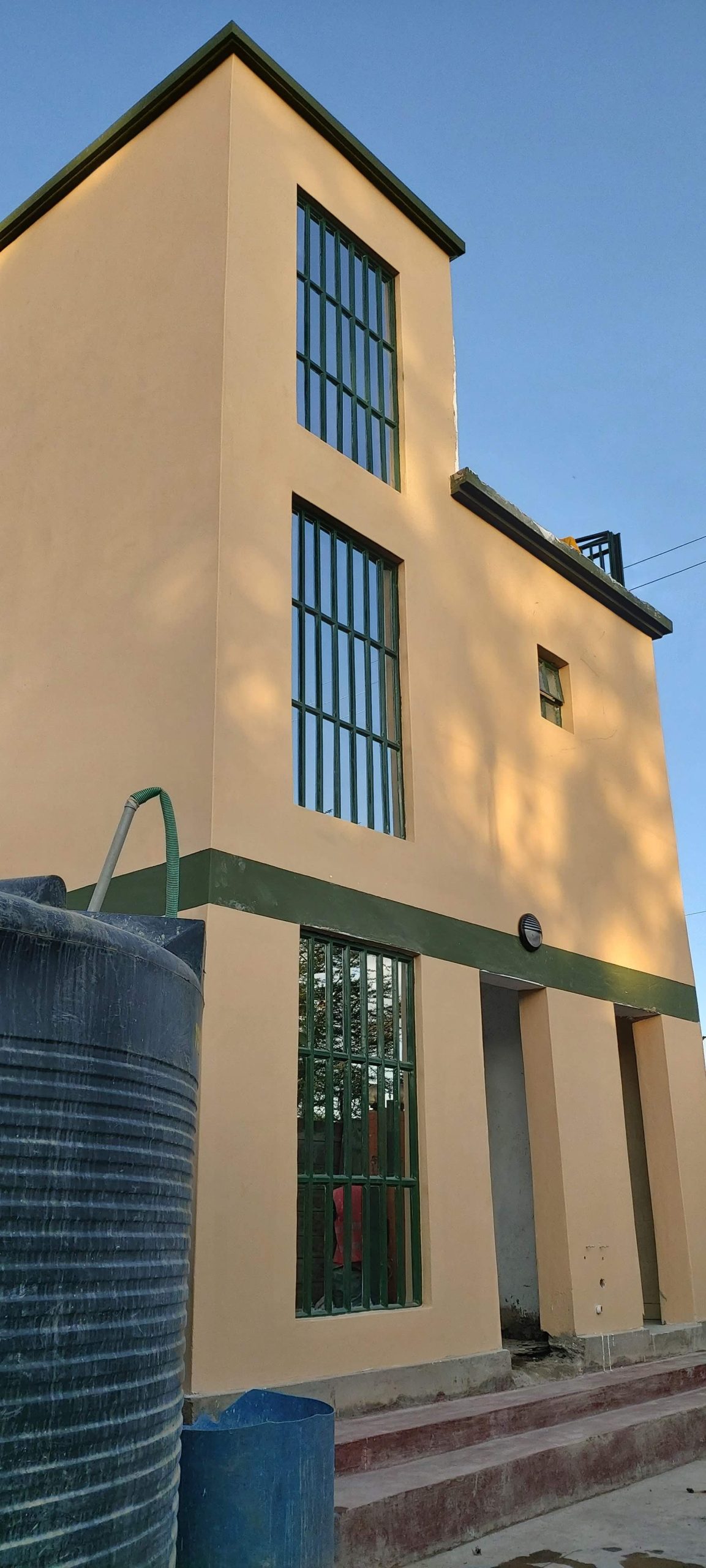
You own a property — maybe an ageing family home, an old commercial building, or a plot with an existing structure. You want it to serve a different purpose, look different, or accommodate your growing family. The question facing you is one of the most consequential decisions in any construction project: do you renovate what exists, or tear it down and build anew?
There is no single right answer. The best choice depends on the condition of the existing structure, your budget, your timeline, the regulatory context, and what you ultimately want the finished property to do for you. This guide walks through the key considerations to help you make the right call.
When Renovation Makes More Sense
Renovation is typically the better choice when:
The existing structure is fundamentally sound
If the building has good bones — solid foundations, a structurally sound frame, and a watertight roof — renovation allows you to preserve that investment and focus your budget on what needs to change. A structural engineer can assess the existing building and give you a reliable verdict on what can be retained and what must be replaced.
The property is in a desirable location
In Kenya's urban property market, location commands a premium. If your property is in a prime area — a central Nairobi suburb, a sought-after neighbourhood in Mombasa, or near key amenities — the value locked in the location may make a full demolition and rebuild financially unjustifiable. Renovation preserves the location advantage while modernising the structure.
Budget and timeline are constrained
A well-scoped renovation is typically faster and cheaper than a full new build of equivalent size. If you need the property operational within six months, or if your budget does not stretch to a complete ground-up construction, renovation is often the more achievable path.
Heritage or sentimental value matters
Some properties carry history. Whether it is a family home that has stood for decades or a heritage building in a conservation area, renovation allows you to preserve character while bringing the property up to modern standards.
When a New Build Makes More Sense
A new build is typically the better choice when:
The existing structure has serious structural problems
Foundations that have shifted, walls with significant cracking, or a frame that has been compromised by water, termites, or poor original construction can be more expensive to remediate than to replace. If remediation costs exceed 50–60% of new build costs, demolition and rebuild is usually the wiser financial decision.
You need a fundamentally different layout or scale
Renovation works best when the existing floorplan broadly serves your needs. If you need to double the floor area, add an entire extra floor, or fundamentally reconfigure the space, a new build gives you far more design freedom and will typically produce a more coherent result.
You want full energy efficiency and modern systems
Retrofitting energy-efficient insulation, solar-ready wiring, smart home systems, and modern MEP infrastructure into an old building is technically possible but often expensive and disruptive. A new build lets you design these systems in from the start — faster, cheaper, and producing a more integrated result.
Regulatory compliance is expensive to retrofit
Older buildings in Kenya were often constructed under different building codes. Bringing them up to current standards — particularly for fire safety, accessibility, and structural performance — can be costly. A new build starts compliant from day one.
"Renovation or new build — the question is not which is cheaper in the abstract. It is which delivers the outcome you need at the cost you can sustain."
The Cost Question: A Practical Framework
A rough framework for comparing options:
- Commission a structural assessment of the existing building — this typically costs Ksh 30,000–80,000 and is money well spent.
- Get a renovation quote based on the assessment findings.
- Get a new build quote for a comparable specification.
- Compare the two — accounting not just for construction cost but for timeline, disruption, and the quality of the finished result.
Rule of thumb: If renovation costs are more than 70% of new build costs for an equivalent outcome, the new build is almost always the better choice — you get a fully modern structure, a clear warranty position, and no hidden surprises from the existing fabric.
What About Timeline?
Renovation projects are often assumed to be faster than new builds — and for modest scopes, they usually are. But a full gut renovation of a structurally complex building can take as long as a new build of equivalent size, particularly when hidden problems are discovered once walls are opened up.
Budget for timeline uncertainty in both scenarios. The most common renovation cost overrun is not materials — it is the time added when unexpected conditions are discovered mid-project.
Isawil Handles Both
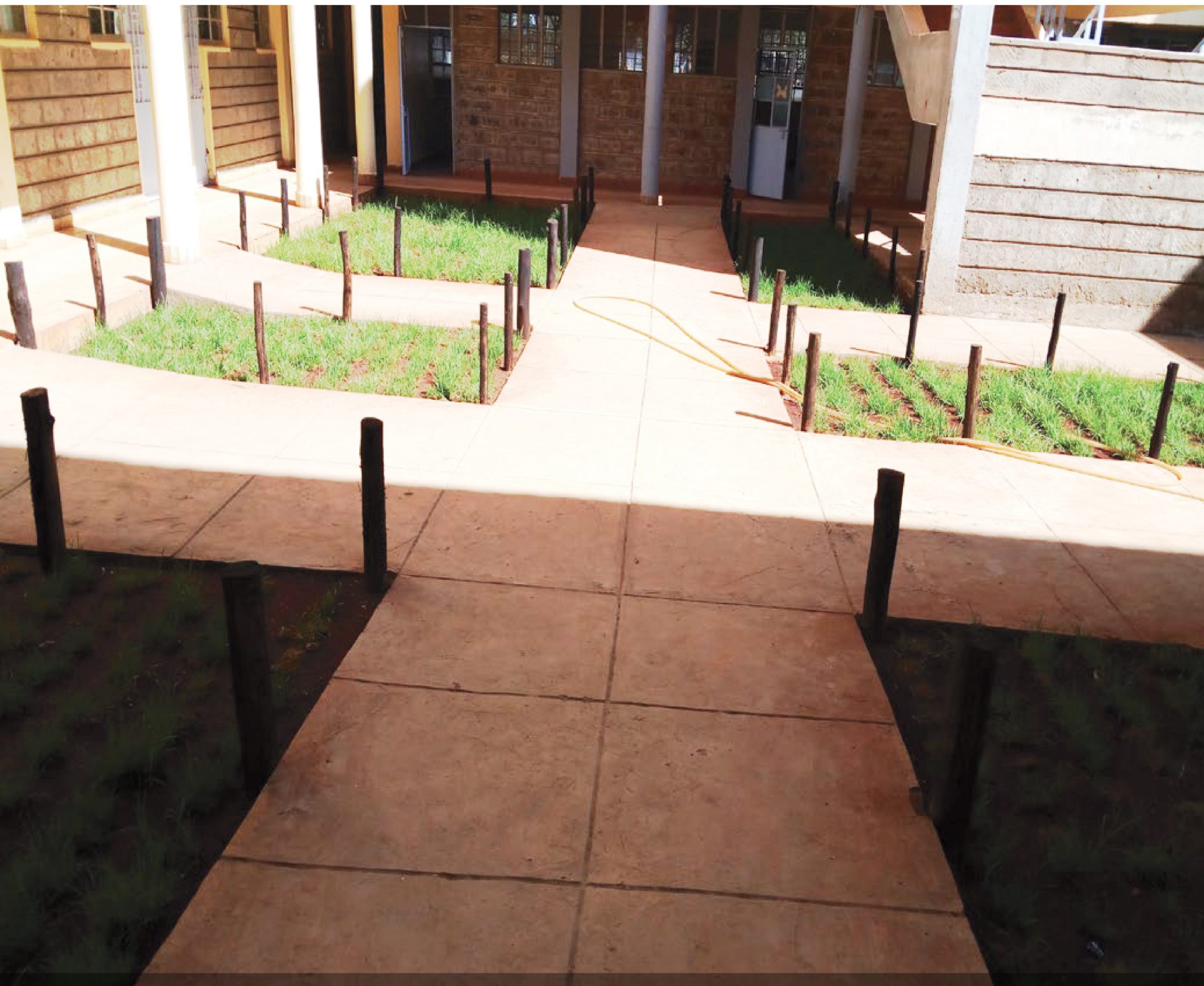
Whether you choose to renovate or build new, Isawil Contractors & Traders Co. Ltd has the expertise to deliver the outcome you need. We have completed full gut renovations of commercial and institutional buildings across Kenya — including the renovation of the Thika Technical Training Centre administration block — as well as ground-up residential and commercial new builds.
Our approach to both renovation and new build projects is the same: a detailed scope assessment upfront, transparent Bills of Quantities, a dedicated project manager, and real-time progress visibility through our Construction Management System.
Not sure which route is right for your property? Talk to our team — we will help you think it through.